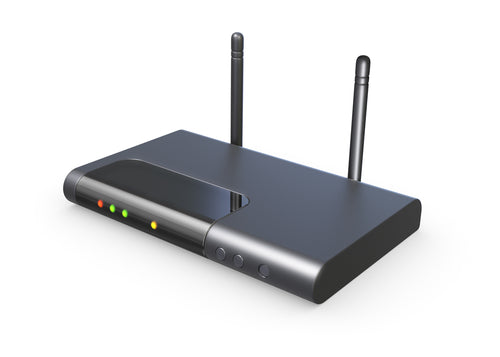
If you are trying to set up a wireless Internet connection in your building or your home, the one piece of equipment that you will need is a router. This device allows you to connect to the same internet connection using multiple wireless devices at the same time while providing you with an additional layer of online security. The router works by taking information from your modem and transferring it to your computer. However, buying a wireless router can be a challenging task. There is quite a bit of terminology to keep up with, and you might not even know what your router needs are. Rather than get lost in the endless sea of details, here are a few key factors that you should be paying attention to when you buy a wireless router:

Warranty

One crucial detail that tends to get overlooked is how long a router will last. As resilient as networking hardware is designed to be, it will not be able to last forever. Thanks to the increasing demands of the consumer for faster speeds of data transfer across numerous devices, it’s reasonable to expect that your router’s performance can and will degrade over time. That is why you want to purchase your router from a reliable supplier that has a good, long-standing warranty for the router that you purchase. If your router stops working prematurely, you want to have this kind of deal set up in advance so that you can replace it as soon as possible.
Speed
The majority of devices built today fully support “Wireless AC,” commonly written as 802.11ac. It provides the fastest throughput out of any other 802.11 standard that currently exists on the market at 1000 Mbps or greater. Therefore, that is the standard that you should opt for. Even if your device supports an older standard, such as 802.11n, they will still be compatible with 802.11ac. The only thing to be mindful about is that you won’t see a faster connection on that older device due to its own limitations.Range
If you are setting up your router in a home, there is a good chance that you won’t have to worry about this problem, as your router will be able to cover it all. If you are installing your router in a large building, you need to be strategic about where you place it. The general recommendation is to place it in a location that is central and free of any obstructions. Additionally, you need to take the environment of the router into account. There are barriers, doors, and other appliances that stand between you and the router. Several external factors will alter the bandwidth, which means that you might not achieve the amount that is promised on the box that the router comes in. Look at the router’s range, make the necessary measurements in your location, and determine if it will meet your needs.
Price
You want to purchase a router that is “just right” – not so cheap that you will sacrifice on performance, but not so expensive that you end up paying for more than what you need. Although there are circumstances where the latter is justified, the majority of people need something that will do the job while being affordable to replace. You should aim to stay within the $100-200 range for a well-designed router.Third-Party Reviews
Last, but not least, you should always make an effort to see what other people think about the router. Many people before you have used the product that you are about to buy and can offer you some advice on what to look for and what to stay away from. Even a router that gets raving reviews may not reflect your experience with it – it all comes down to buying a router and trying it to see if it works for you. Buying a router can be a tricky process, but it does not have to be complicated. Simply use the above criteria, make the purchase, and enjoy internet bliss!